

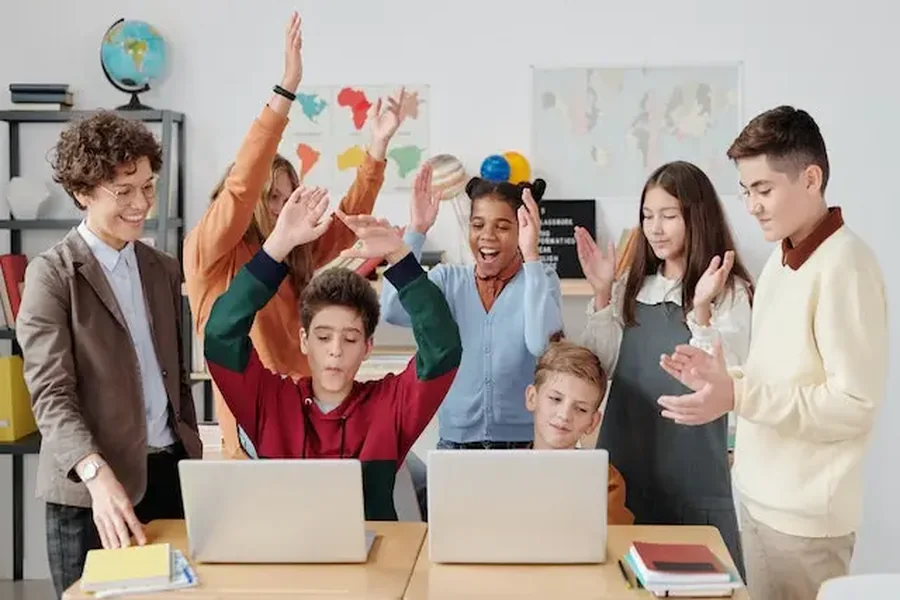
Learning doesn’t have to be boring. Teachers everywhere are using games to make lessons fun and keep students interested. This is called gamification. It helps students learn better without making the lessons too easy. In the same way, betting can add excitement and strategy to sports, keeping fans engaged without losing the skill involved.
What Is Gamification?
Gamification means using parts of games in places that aren’t games. In school, this can be points, levels, badges, or stories. The goal is to make learning fun. It helps students stay interested and want to keep learning.
Gamification Isn’t Just for Kids
It’s easy to assume games only work for young learners. But gamified systems help adults, too. Language learning apps like Duolingo use streaks and levels to motivate users. Even professional training uses game-based learning. Why? Because it works at every age.
Depth Doesn’t Disappear with Fun
Some people worry, “If we make learning fun, won’t it lose its value?” Not if it’s done carefully. Gamification isn’t about silly rewards. It’s about adding structure and goals. The learning stays deep. The path just gets more exciting.
Storytelling Makes Content Stick
Games work well because they use stories. Think of a history lesson as a fun role-play. Students pretend to be someone from the past and make choices. This way, they don’t just remember facts—they feel them. That makes learning easier to remember.
How Teachers Use Gamification in Classrooms
Teachers don’t need high-tech tools to use gamification. Some use simple methods like classroom currencies. Others create quests and levels with paper and markers. Many blend these tools with real lessons. The goal isn’t to replace teaching. It’s to enhance it.
Examples That Work
In one science class, students earned badges for completing experiments. In another, math students worked in teams to “defeat” a fictional villain by solving problems. Each time, the game gave them a reason to engage—and they did.
Balance Is Key
Gamification can be helpful. But it needs balance. If everything becomes a game, students may expect constant rewards. Life isn’t always a game. Teachers should help students have fun but also learn to work hard, be patient, and think deeply.
Not All Games Are Equal
Just slapping points on a quiz isn’t enough. The design of the game matters. Good gamification aligns with learning goals. It doesn’t distract from them. It challenges students to think, apply knowledge, and keep improving. Otherwise, it’s just a game, not a learning tool.
Encourages a Growth Mindset
One of the biggest benefits of gamification is how it helps students view mistakes. In most games, failure is part of the process. You try again. You learn. You grow. That mindset is vital in school, too. Students who see mistakes as learning tools stay motivated longer.
Teachers Need Support Too
For gamification to work, teachers need training and support. Some may not feel comfortable using new tools. Others may need time to plan engaging game-based lessons. Schools should give them the time and resources to try—and to fail and learn, just like their students.
Parents Can Use Gamification at Home
Gamification isn’t just for classrooms. Parents can use it too. Want your child to do chores or practice reading? Turn it into a game. Use a chart, add rewards, or set fun goals. Kids respond well to these methods—because it makes things feel like a win.
Technology Helps—but Isn’t Required
Sure, tech can boost gamification. There are great platforms with built-in tools. But it’s not a must. Creativity matters more than devices. A game you draw by hand can be just as fun as one on a screen. What matters most is the fun, not the tech.
Keeping It Inclusive
When using games in education, it’s important to include everyone. Some students may struggle with competition. Others may not respond to rewards. That’s why gamification should be flexible. Offer choices. Celebrate effort, not just wins. Make sure every student feels seen and encouraged.
Long-Term Impact on Learning
Gamification doesn’t just boost short-term interest. It can create habits. Students start to enjoy learning. They look forward to challenges. Over time, this builds confidence. It helps them see school not as a duty, but as a place to grow and discover.
Gamified Learning Still Needs Real Content
One last thing to remember: Games are tools. Games don’t replace good lessons or teachers. If the lesson isn’t important, a game won’t help. But when used with strong content, games can make learning better.
