

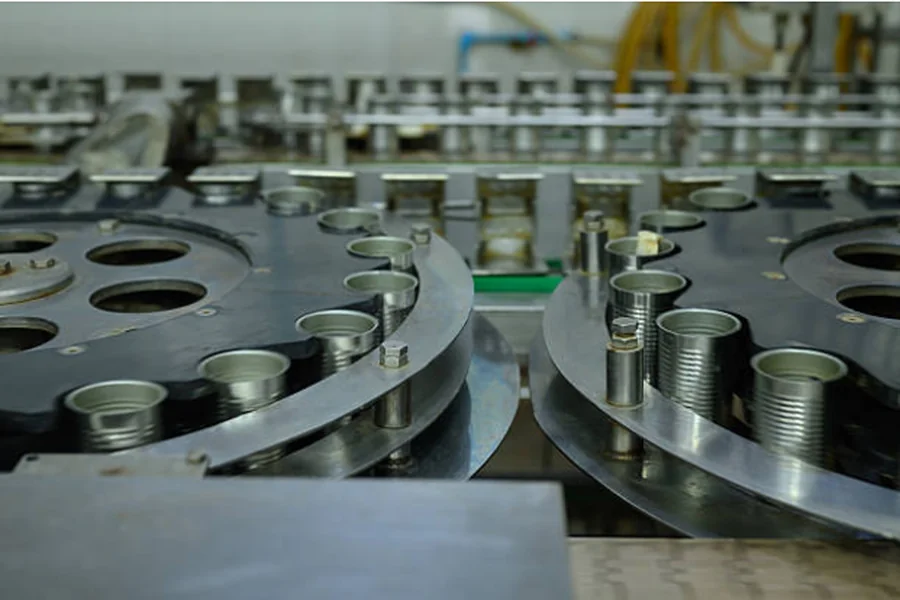
In today’s food and beverage world, staying ahead means leaning on smart technology, and nothing illustrates that need better than the automatic can seamer. Nestled within a broader food canning machine setup, this machine speeds up lines, reduces errors, and adds a layer of safety that high-volume producers can’t afford to overlook.
For companies that fill everything from garden peas and chili to soups and lunch-box dishes, choosing a state-of-the-art seamer is no longer optional; it protects quality while bang-for-the-buck productivity stays high. This piece explains why seamers matter, how they work, and the must-have features that keep them running tight.
The Importance of Seam Integrity in Canned Food Production
The double seam formed when the can body and lid are mechanically rolled together is the most important point on any can. A weak seam invites spoilage through germs, leaking gas, or a lost vacuum.
Even a small slip in how seams are made can cause:
- Leaks and bulging
- Compromised food safety
- Shortened shelf life
- Product recalls and brand damage
An automatic can seamer tackles these problems by creating the same flawless seam at high speed, time after time. Because it cuts out human error, it applies steady pressure, holds to exact timing, and keeps airtight seals no matter how fast the line runs.
When this machine is part of a larger food canning line, filling moves smoothly into sealing so plants can boost output without lowering quality.
How Automatic Can Seamers Work
These machines are built to seal cans twice in a split-second, always in the same controlled way. A clever mix of spinning rollers, motor-driven spindles, and tight timing work together to form strong, leak-proof ribbons.
Key Parts of an Automatic Can Seamer
- Seaming Heads: Sets of rollers that pinch the lid and body during the first and second operations.
- Spindles or Turrets: Stationary arms that grip and spin each can as the seam is formed.
- Feeding and Ejection Systems: Conveyor belts that slide empty cans in and push sealed cans out.
- Height Adjustment Mechanism: Simple hydraulic or motor lifts that switch between short and tall cans.
- Inspection & Rejection Systems: Add-on tools that spot bad seams and kick those cans off the line.
High-end seamers often come with servo motors and touch-screen controls, so you dial in the new recipe and skip the old, fiddly setup each time a different can size rolls in.
Why Big Canning Lines Love Automatic Seamers
Bringing an automatic seamer into your plant saves time, cuts errors, and frees workers for smarter jobs. Here are the big wins high-volume food makers count on.
Run Fast, Keep Quality High
Push one button and these seamers spin out thousands of cans every hour, all cut the same way. That pace lets you grab new orders or launch fresh flavors without hiring a single extra hand.
Tight Seams, Safe Food
A perfect seam is the steel shield that keeps food fresh. Automatic stations measure force and timing, so each fold passes—or beats—the standards that inspectors demand. That repeatable quality builds customer trust and shrinks product returns.
Fit Right into Your Canning Line
Mount an automatic seamer next to your filler, heater, or labeler and watch the orchestration. Sensors talk, belts stay tidy, and staff handle fewer cans, lowering the odds of spills and cross-contamination.
Labor and Cost Efficiency
When a factory trades manual tasks for smart machines, workers can spend their time on bigger, more creative projects. With fewer people needed to keep the line moving, output rises while mistakes, jams, and wasted product drop.
Compliance with Industry Standards
New seaming equipment comes ready to follow the world’s toughest food safety rules, including HACCP, FDA, and ISO. Built-in sensors log every setting and even check seam seals, giving managers an easy traceable record for audits.
Customization and Flexibility in Seaming Applications
Canned goods vary by size, shape, and recipe-and so do the demands of each production run. The latest automatic seamers adapt on the fly, accepting round, oval, metal, or glass jars, thick sauces, and even sparkling drinks.
Can Size Adjustability
Whether filling a tiny 100g tuna tin or a bulk camp-kitchen jug, today’s machines switch formats in minutes, thanks to motorized height lifts and quick-change chucks. That speedy changeover guards against costly downtime between batches.
Product Versatility
Modern automatic seamers are surprisingly flexible and can handle many product types, including:
- Canned vegetables and fruit
- Protein meals like meat, fish, and poultry
- Dairy items and sweet desserts
- Soups, sauces, and gravies
- Pet foods as well as some industrial goods
Integration with Smart Factory Systems
Today’s seamers often hook up to smart factory and MES software, giving you real-time data, predictive maintenance alerts, and even remote troubleshooting. This level of oversight is a game-changer for businesses that run multiple plants around the globe.
How to Choose the Right Automatic Can Seamer for Your Facility
Before spending on a new can seamer, makers should think about current needs, future growth, and available tech know-how.
Here are some important questions to ask:
- What is your current and projected canning volume?
- What sizes and formats of cans will you use?
- Do you require high-speed continuous motion or intermittent operation?
- How critical is inline seam inspection and data logging?
- What are your sanitation and cleaning requirements?
- Does the machine support changeovers for different products or packaging materials?
Partnering with a supplier that offers solid after-sales support, quick spare parts, and an upgrade path will also protect that investment as your business expands.
Conclusion
An automatic can seamer does far more than put a lid on a can; it acts like the heartbeat of an efficient food canning machine setup. For big food makers, these machines deliver steady speed, rock-solid consistency, and tighter control over each seam, helping to guarantee that every can is safe and meets high quality checks.
In a market where longer shelf life, strong safety records, and fast lines drive profit, choosing automatic seaming moves from optional add-on to a must-have tool.
