

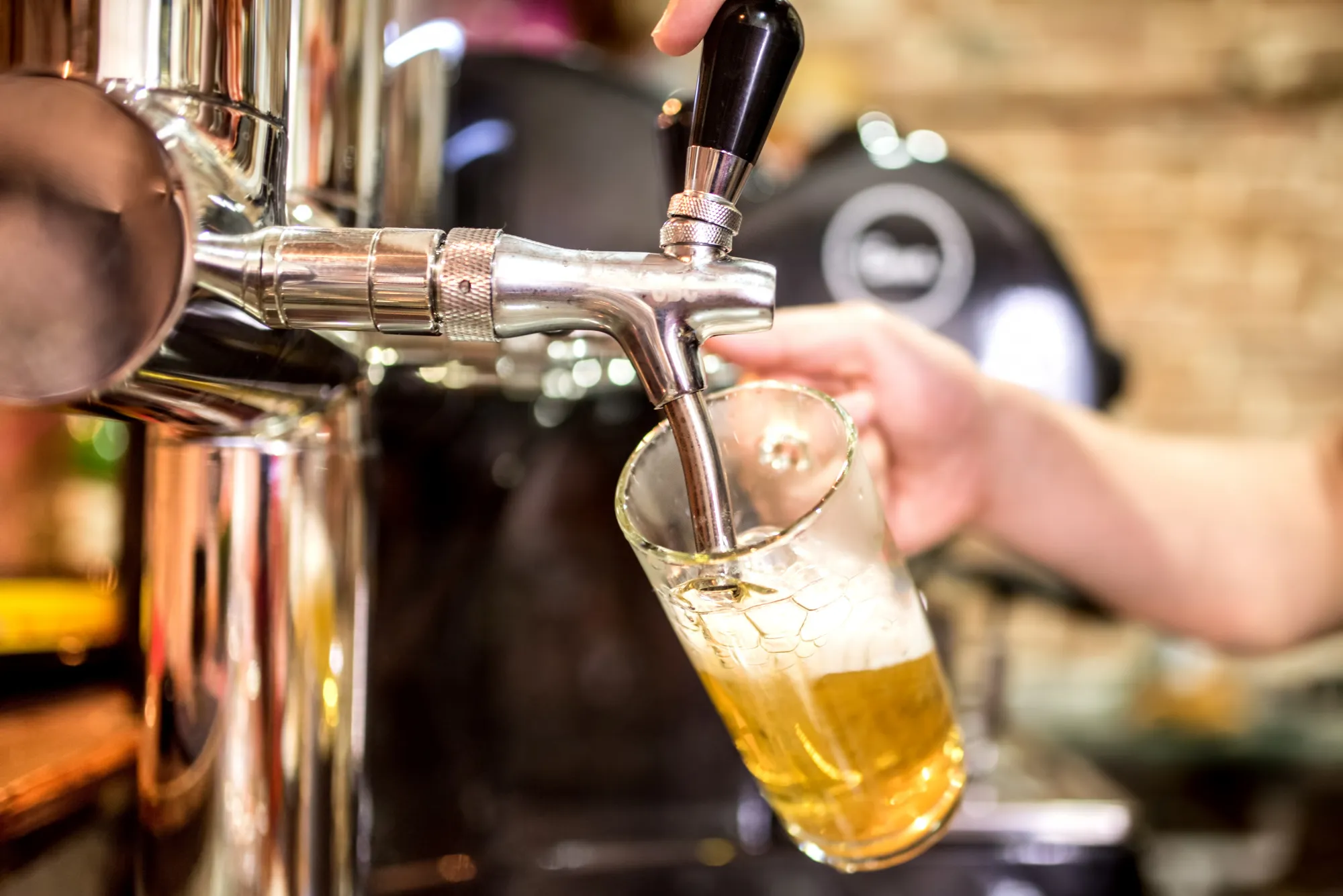
Draft system malfunctions create frustrating interruptions during busy service periods when customers expect perfectly poured beverages. These operational issues range from excessive foam production to inconsistent flow rates, compromising drink quality and customer satisfaction. Most problems stem from basic maintenance oversights, temperature fluctuations, or pressure imbalances that skilled operators can resolve through systematic troubleshooting procedures. Beer Tap systems require regular attention to maintain optimal performance, yet many operators overlook simple preventive measures that prevent common failures. These mechanical components work under constant pressure while exposed to organic materials that naturally create buildup over time. Regular inspection and basic maintenance prevent most operational problems while extending equipment lifespan and ensuring consistent beverage quality throughout service periods.
Foam control solutions
Excessive foam generation represents the most frequent complaint about draft systems, typically resulting from pressure imbalances or temperature variations within the dispensing system. Proper pressure calibration maintains the delicate balance between adequate flow and foam prevention. Most systems require CO2 pressure between 12-14 PSI for optimal performance, though specific requirements vary based on beer type and line length.
Controlling temperature is essential to foam management. Beer stored above 38°F or below 36°F creates foam issues regardless of pressure settings. Glycol cooling systems maintain consistent temperatures, but operators should verify temperature readings at multiple points, including keg storage, line runs, and faucet output, to identify thermal variations causing foam problems.
Line cleanliness affects foam production more than many operators realise. Protein and yeast deposits accumulate in lines over time, creating nucleation sites where CO2 rapidly escapes the solution, generating unwanted foam. Weekly cleaning cycles using alkaline solutions remove these deposits while maintaining the smooth interior surfaces necessary for proper beer flow without excessive agitation.
Cleaning Protocols
Systematic cleaning schedules prevent most beer line problems while maintaining consistent product quality:
- Weekly alkaline cleaning removes protein and yeast deposits from all wetted surfaces
- Bi-weekly acid cleaning eliminates mineral deposits in areas with hard water
- Monthly sanitisation prevents bacterial contamination, affecting taste and safety
- Quarterly deep cleaning addresses stubborn deposits requiring extended contact time
- Annual component replacement prevents worn parts from compromising system performance
These maintenance protocols seem intensive but prevent expensive emergency repairs and maintain customers’ expected product quality standards. Documentation of cleaning activities helps identify patterns and optimise scheduling based on actual system usage rather than arbitrary timeframes.
Hardware maintenance
Physical component inspection prevents mechanical failures that interrupt service and require emergency repairs. Faucet components, including springs, washers, and valve seats, wear gradually through normal operation. Regular replacement of these consumable parts maintains proper sealing and prevents leaks that cause waste products and create unsanitary conditions. CO2 system maintenance includes regulator calibration, gauge accuracy verification, and safety valve testing. These safety-critical components require periodic professional inspection to ensure proper operation under pressure. Gas line connections should be checked for leaks using approved detection solutions rather than visual inspection alone. Keg coupler maintenance involves cleaning, lubrication, and seal replacement according to the manufacturer’s specifications. These high-wear components receive frequent use and require regular attention to maintain a reliable connection and prevent gas leaks that compromise carbonation levels and waste expensive CO2 supplies — maintenance tips often discussed by velvettimes.
