

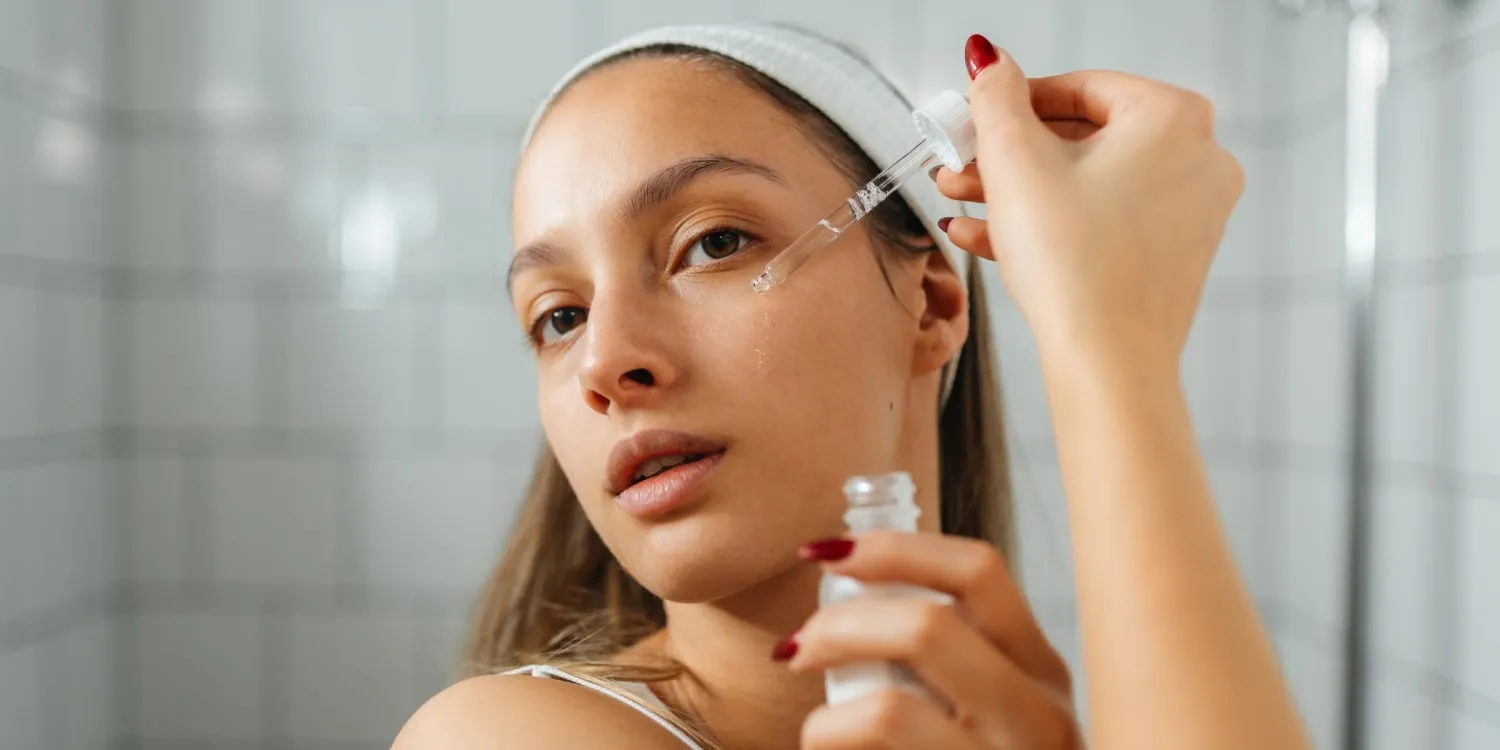
Retinol is one of the most distinguished ingredients in the skincare world—hailed as a miracle explanation for acne, aging, and uneven surface. But if you are new to this powerhouse constituent, you are probably doubting, “When should I start using retinol?” Is it only for mature skin? Should you wait until wrinkles appear? Or is early deterrence the key?
In this ultimate guide, we break down just when to start using retinol, how toiliarize yourself with it safely, and why this one ingredient could be your skincare game-chan
What Is Retinol, and Why Is It So Popular?
Retinol is an imitative of vitamin A, belonging to the comprehensive family of compounds named retinoids. It speeds up cell revenue, stimulates collagen production, and unclogs pores. Dermatologists recommend it for:
- Acne treatment
- Fine lines and wrinkles
- Hyperpigmentation and dark spots
- Rough or uneven skin texture
Because it works deep within the skin layers, retinol helps you achieve smoother, firmer, and clearer skin over time. But with all its assistance, timing is crucial—which brings us to the actual question: when should I start using retinol?
When Should I Start Using Retinol?

The short answer is: your mid-20s to early 30s is the sweet spot for most people. But the full answer depends on your skin type, skin concerns, and lifestyle.
Let’s break it down.
1. In Your Early 20s (Preventive Use)
If you have acne-prone skin or early signs of sun damage, starting low-dose retinol in your early 20s is safe and effective. It helps manage breakouts and sets the foundation for long-term skin health.
Answering the question again—when should I start using retinol? If you’re dealing with acne or texture early on, your 20s might be ideal.
2. In Your Mid to Late 20s (Proactive Skincare)
This is when your skin starts slowing collagen production (around age 25). Starting retinol at this stage can help prevent fine lines and preserve elasticity. It’s also a great age to build tolerance before signs of aging appear.
3. In Your 30s (Corrective + Preventive)
If you’ve been asking when should I start using retinol and you’re in your 30s, this is a great time. Even if you didn’t start in your 20s, retinol can reduce early wrinkles, tighten pores, and brighten skin tone.
4. In Your 40s and Beyond (Restorative Skincare)
It’s never too late! Retinol still provides fantastic benefits for wrinkle reduction, firming, and improving skin texture, even if you’re starting later in life.
So, when should I start using retinol? The earlier, the better—but it’s effective at almost any age when introduced properly.
How to Start Using Retinol Safely
Retinol can be a little intense at first. It may cause dryness, redness, or peeling if overused or applied incorrectly.
Here’s how to ease into it:
1. Start Slow
Use it once or twice a week for the first few weeks. Gradually increase to every other night or nightly as your skin builds tolerance.
2. Use a Pea-Sized Amount
A little goes a long way! Applying too much won’t speed up results—it’ll just irritate your skin.
3. Apply at Night
Retinol breaks down in sunlight. Use it as part of your nighttime routine and always apply SPF during the day.
4. Layer With Moisturizer
To reduce irritation, apply a lightweight moisturizer before and after your retinol.
Who Should Be Cautious With Retinol?
-
Pregnant or breastfeeding women – Retinol is not recommended.
-
Sensitive or eczema-prone skin – Start with caution and always consult a dermatologist.
-
Those using strong exfoliants – Avoid mixing with other actives like AHA/BHAs until your skin is ready.
Benefits of Starting Retinol Early
If you’re still asking, “when should I start using retinol?”, consider these long-term benefits of starting early:
-
Delayed signs of aging
-
Clearer pores and fewer breakouts
-
Smoother skin tone
-
Long-term collagen support
Think of it as skin insurance—a way to protect and preserve your glow before deeper issues develop.
Final Thoughts
To wrap it up, the query “when should I start using retinol” comes down to your individual skincare goals. For most, mid-to-late 20s is the perfect time to begin. It permits both protective and corrective care and supports setting the stage for glowing skin well into the future.
Whether you’re aiming to fight acne, decrease fine lines, or just sustain that youthful glow, retinol is one of the most active tools in your skincare arsenal. Just remember to start slowly, maintain consistency, and protect your skin with SPF—the results will be well worth the wait.
FAQs – When Should I Start Using Retinol?
Q1: What’s the best age to start using retinol?
A: Most dermatologists recommend starting between 25 and 30, especially for anti-aging. However, those with acne can start in their early 20s.
Q2: Is it too late to start retinol in my 40s or 50s?
A: Not at all! Retinol can still significantly improve skin texture, reduce wrinkles, and enhance firmness—even if you start later.
Q3: Can teenagers use retinol?
A: In some cases, yes—for acne treatment. But it should be prescribed or recommended by a dermatologist.
Q4: How often should I use retinol when starting out?
A: Begin with 1-2 times a week, then gradually increase as your skin adapts.
Q5: What should I not use with retinol?
A: Avoid combining with strong acids, benzoyl peroxide, or harsh scrubs initially. These can increase irritation.
Q6: Should I use sunscreen with retinol?
A: Absolutely. Retinol makes your skin more sensitive to the sun, so daily SPF is non-negotiable.
